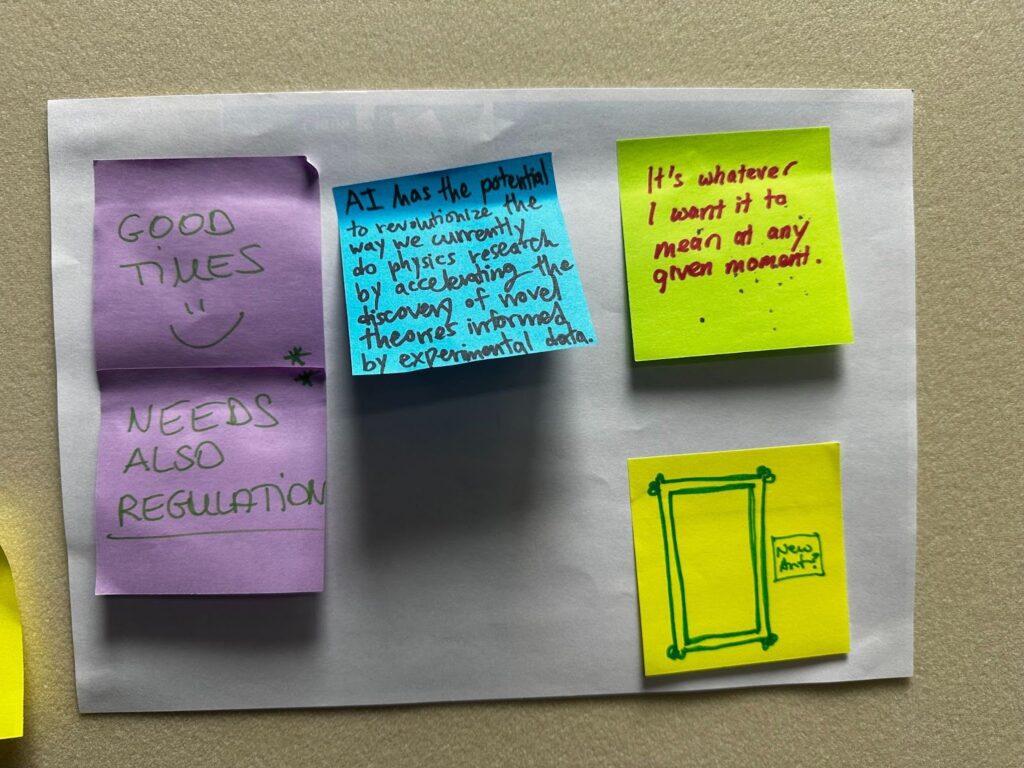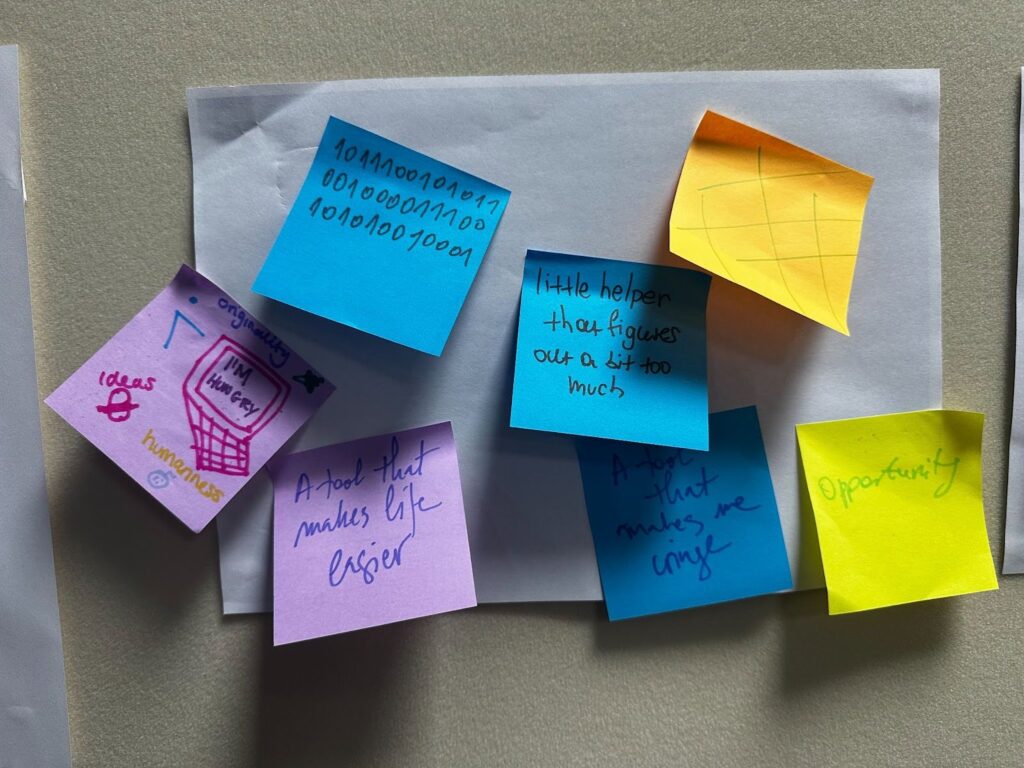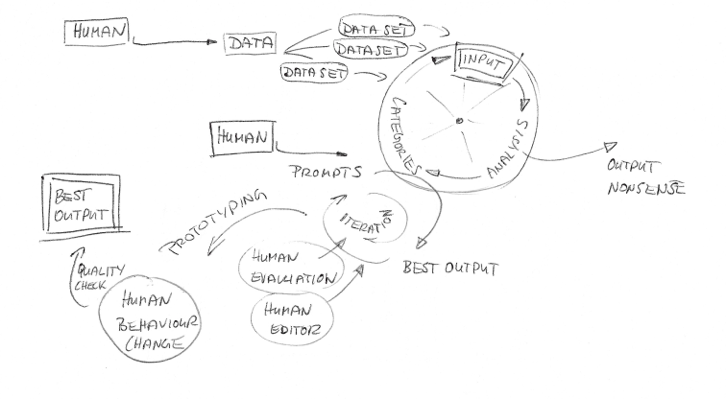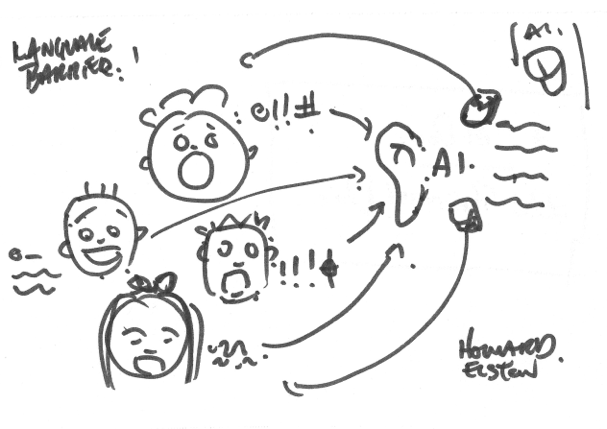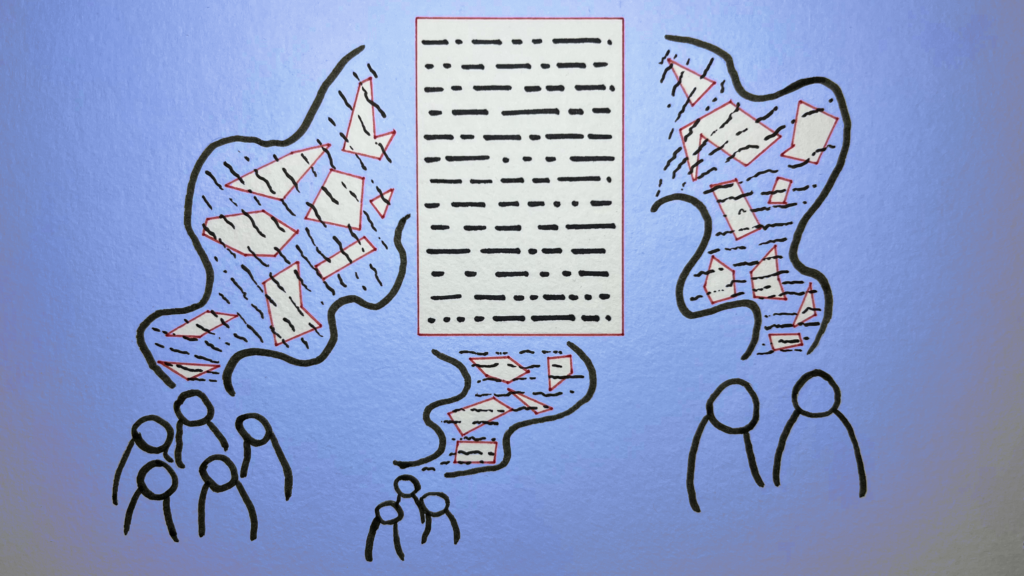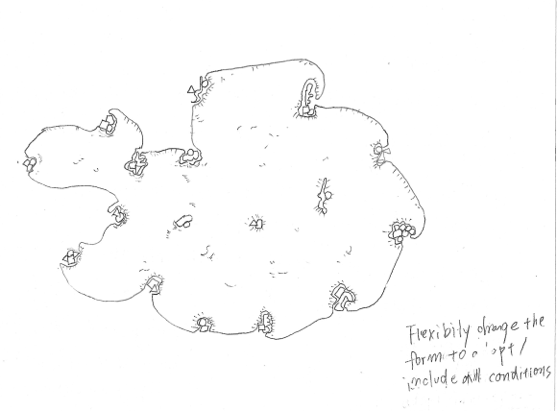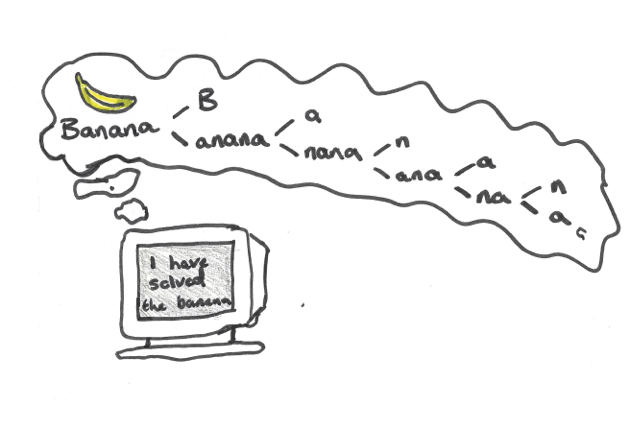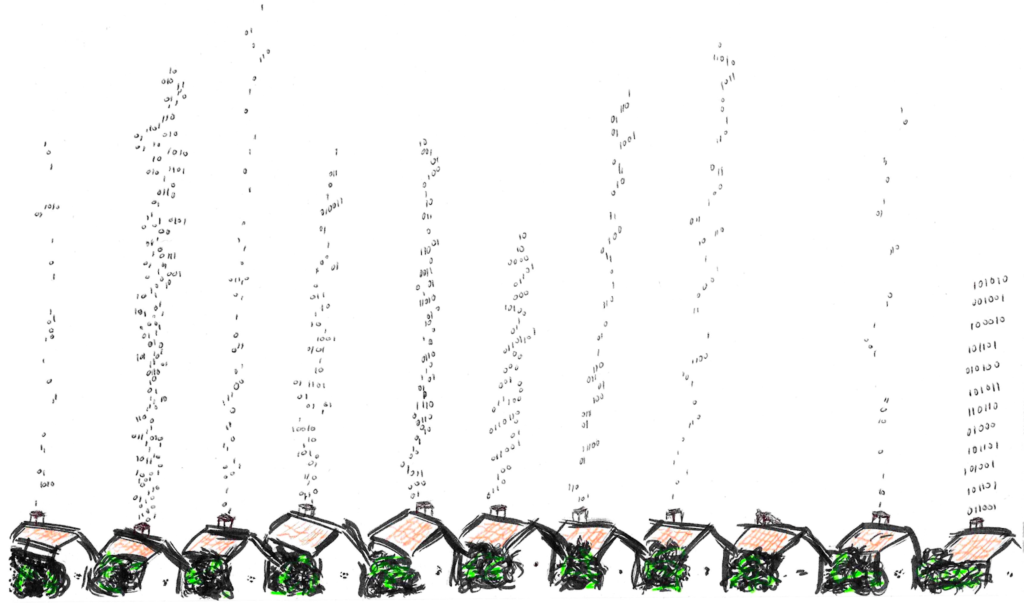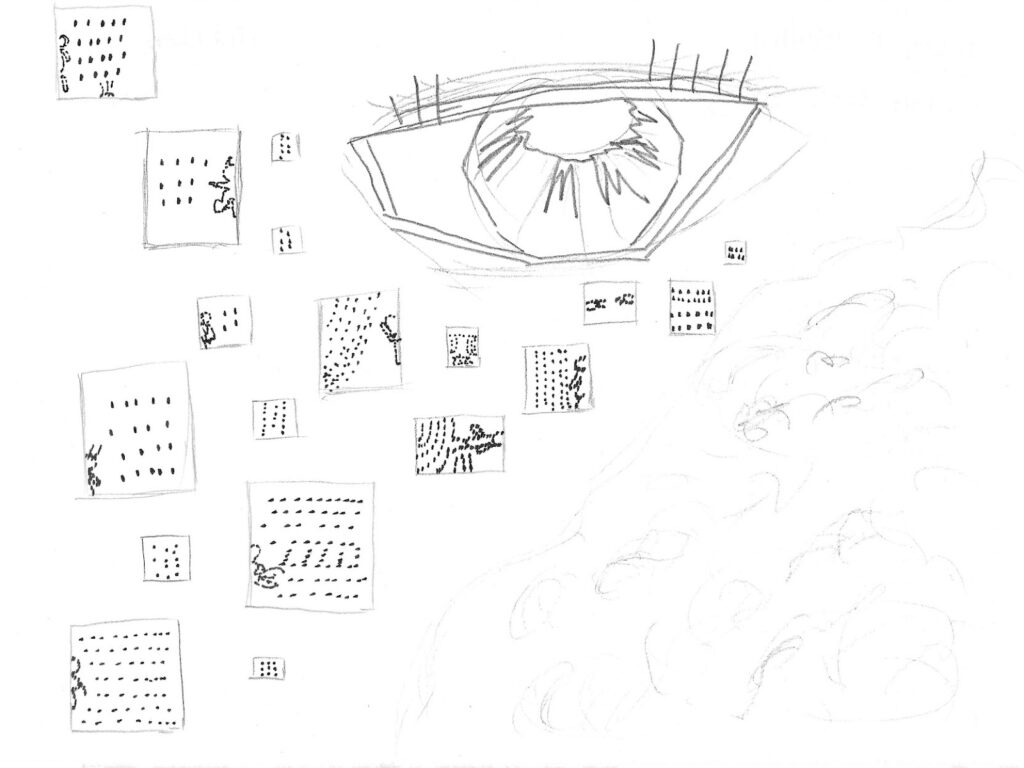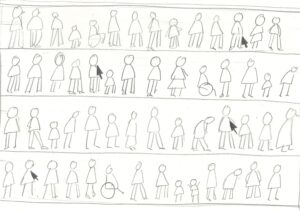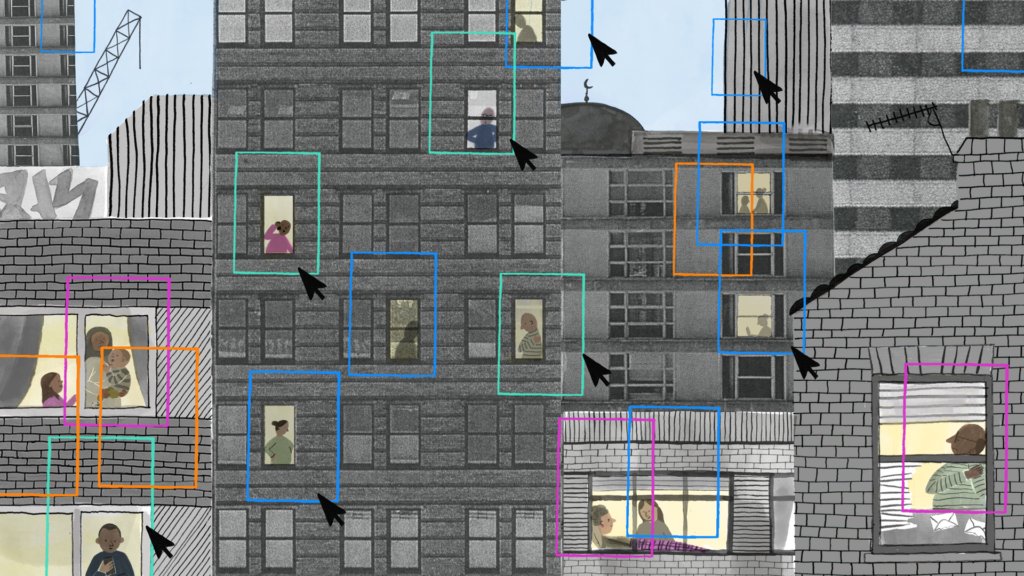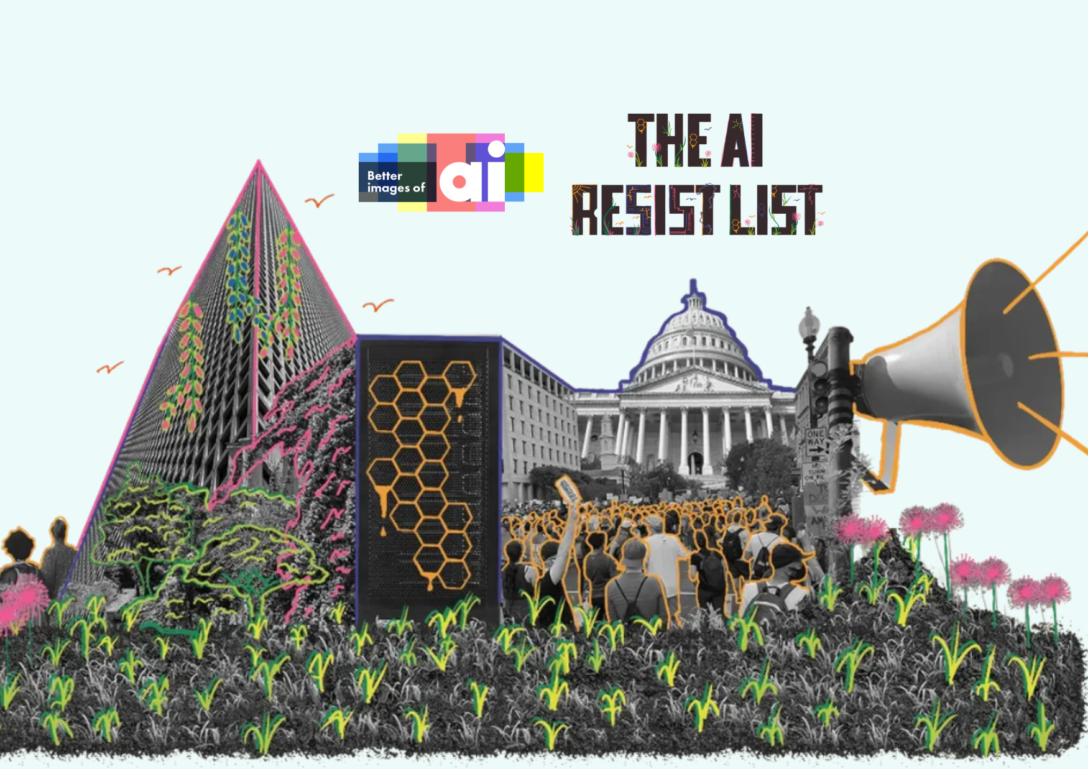
Illustration credit: Yemariam Mamo and Pauline Wee for the AI Resist List
Just over a month ago in July, we were part of We and AI’s ‘day of reimagining and reclaiming AI’ as part of the UK launch of the AI Resist List and London Data Week. The AI Resist List is a collection of the different AI resistance movements, categorized by how they pressure different ‘Pillars of Support’ that perpetuate and uphold the ‘empires of AI’. If the concept seems familiar and reminds you of a popular book, you’re not mistaken. The AI Resist List was developed by Karen Hao, author of the popular book ‘Empire of AI’ alongside The Refugee Law Lab at York University, the Distributed AI Research Institute and our friends at We and AI.
There are nine different pillars on the AI Resist List, spanning from funding to policy to resource extraction. Each pillar is adorned with multiple examples of different grassroots and community initiatives that are (successfully and tirelessly) resisting AI by targeting its very roots. Better Images of AI is featured on the AI Resist List under the ‘narrative’ pillar which documents work being done to ‘call out the AI hype’.
“The empires run on mythmaking and hype about what AI is, what it can do, and what they need to build it. Deflating that hype and countering myth with reality diminishes the empire’s influence.” – The AI Resist List
How does Better Images of AI contribute to AI resistance?
Our image library (but also importantly our blog too) brings together individuals and organisations working to challenge the current stock imagery used to depict and communicate about AI. Typically, AI is visualised in ways that are misleading and harmful: think of news stories illustrated by humanoid robots, regulatory reports with covers featuring blue lines of descending code, and conference posts which centre human brains. These tropes—presenting AI as inevitable, magical, and intelligent—have become self-referential rather than engaging with the assumptions about whether AI needs to exist, in particular in accordance with its current trajectory of development.
We need to understand what AI is and the implications of its development to determine whether it works for all of us and whether we want to support the companies building it. Our library of over 300 images showcases different ways creators have visualised AI in ways that more accurately illustrate the capabilities, complexities, and impacts of AI systems and the humans behind them — both the workforce and the tiny elite who are making decisions about how to build these technologies. In this way, our image library and blog deflates hype and counters myth with reality.
We not only see the image library as a way to better inform society, but we also hope that through the medium of visuals and image-making, we offer people a new resistance tool to communicate how they feel about AI and, in doing so, advocate for the futures they want on their own terms and in their own language. Professor Deborah Lupton has used collaging as a method in social research as a way of “eliciting participants’ responses to generative AI and inspiring discussion on how they feel about these new technologies”. Deborah as well as other scholars have also used visuals of AI as part of zine-making and as a medium to communicate and advocate against AI (see here and here).
Better Images of AI at the UK Launch of the AI Resist List
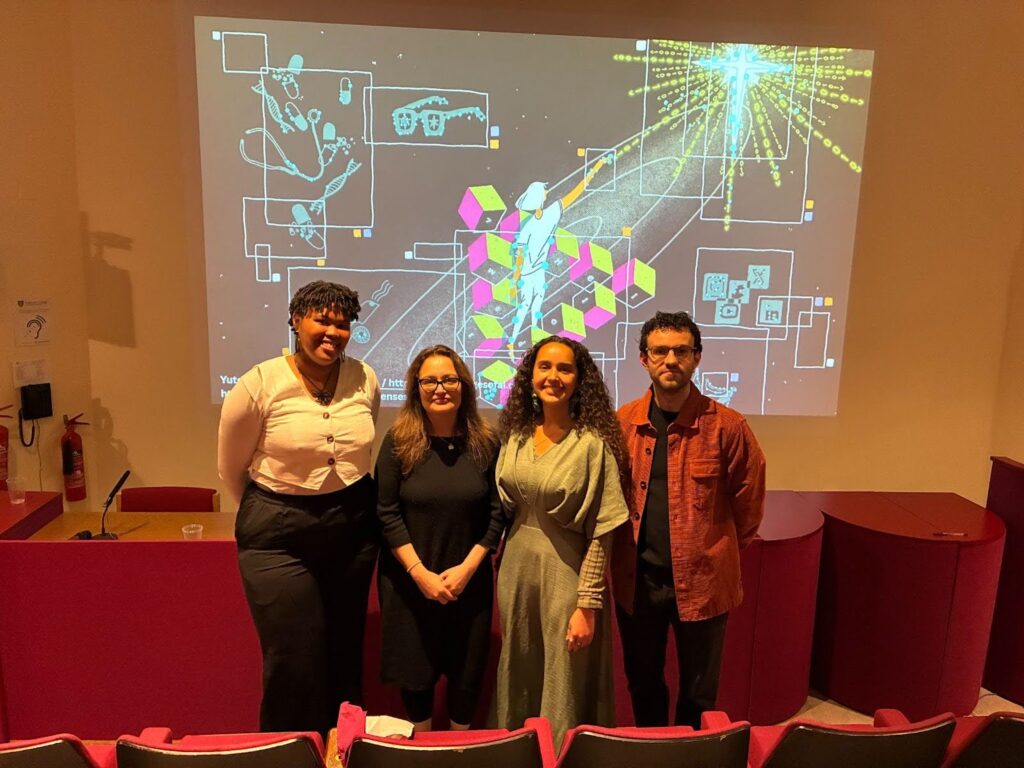
At King’s College London on 8th July, Better Images of AI was invited to the UK Launch of the AI Resist List. The purpose of this event was to bring together researchers and scholars who documented the projects featured on the list, those leading them, as well as other practitioners and organisers working on challenging, documenting, resisting or re-imagining the AI industry (you can read a summary of the event here written by Wolfgang Hauptfleisch).
We were in great company with other organisations and individuals working to resisting AI through education, art, law and policy, e.g., FoxGlove, Friends of the Congo, The Data Labelers Association, BLAM UK as well as other individual researchers like Dr Zeerak Talat (University of Edinburgh), Dr Stef Garastro (University of Greenwich) and Dr Yulu Pi (University of Warwick).
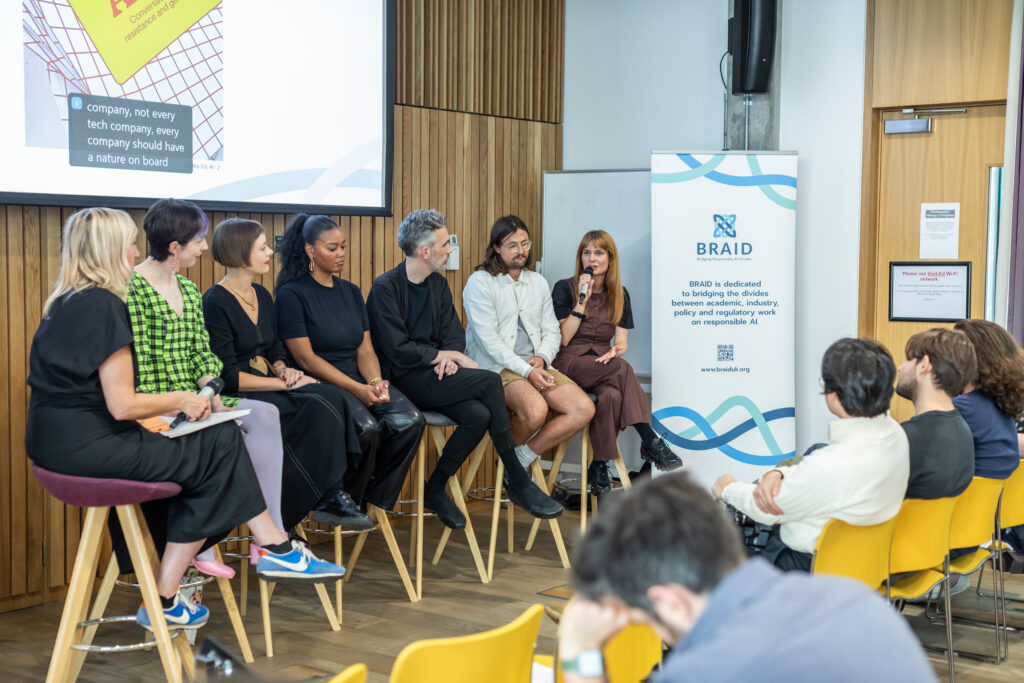
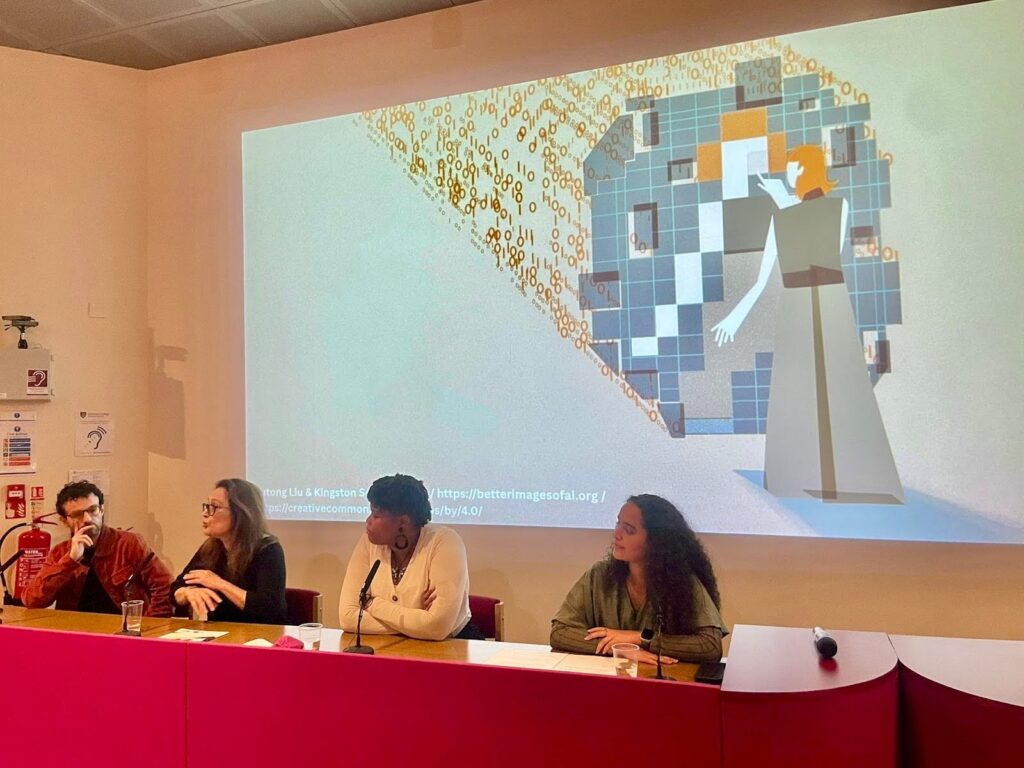
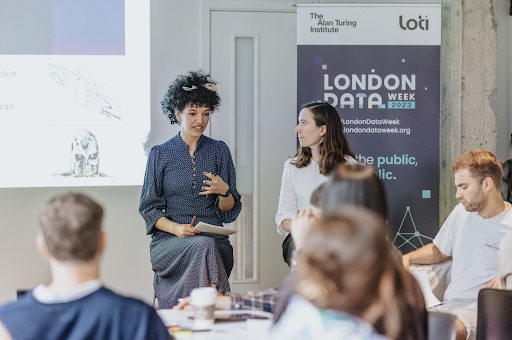
Zoya Yasmine represented the Better Images of AI community and spoke about how the image library serves to counter AI hype and the global community of talented creators who use digital art illustrations, photography, to cutting and sticking using archival materials to offer more representative visuals of AI and its impacts on communities.
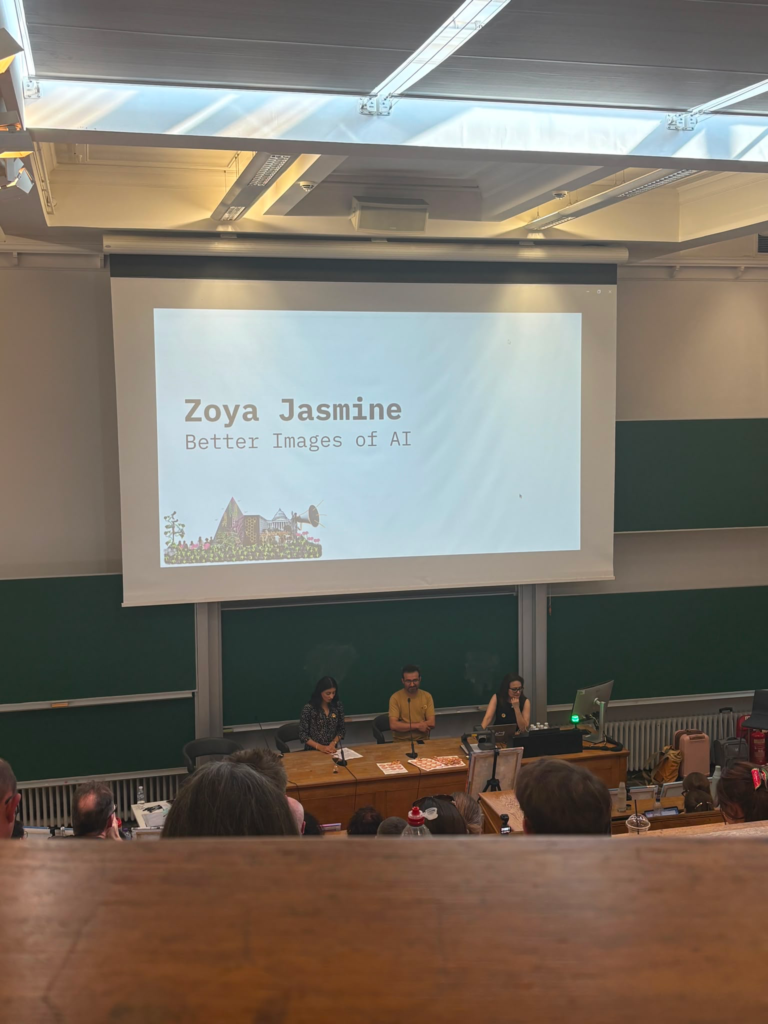
Zoya at the UK AI Resist List Launch. Image credit: Harriet Humfress
She ended her presentation on a quote from one of our community members, Dominik Vrabič Dežman, who said:
“[T]he currently pervasive images of AI make us look somewhere, at the cost of somewhere else.” – Dominik Vrabič Dežman
Better Images of AI provides everyone with a greater vocabulary and thus power to decide where you want people to look when you’re communicating about AI next. Every better image of AI works to destabilise the visual stronghold of the robots and brains, offering clearer insights into what AI is and how we as a community feel about it. We are grateful to Marcin Wilkowski for beginning our collection of images which visualise how communities are fighting back against AI — a narrative hidden in conversations about the inevitability of AI. Well….until the AI Resist List was launched.
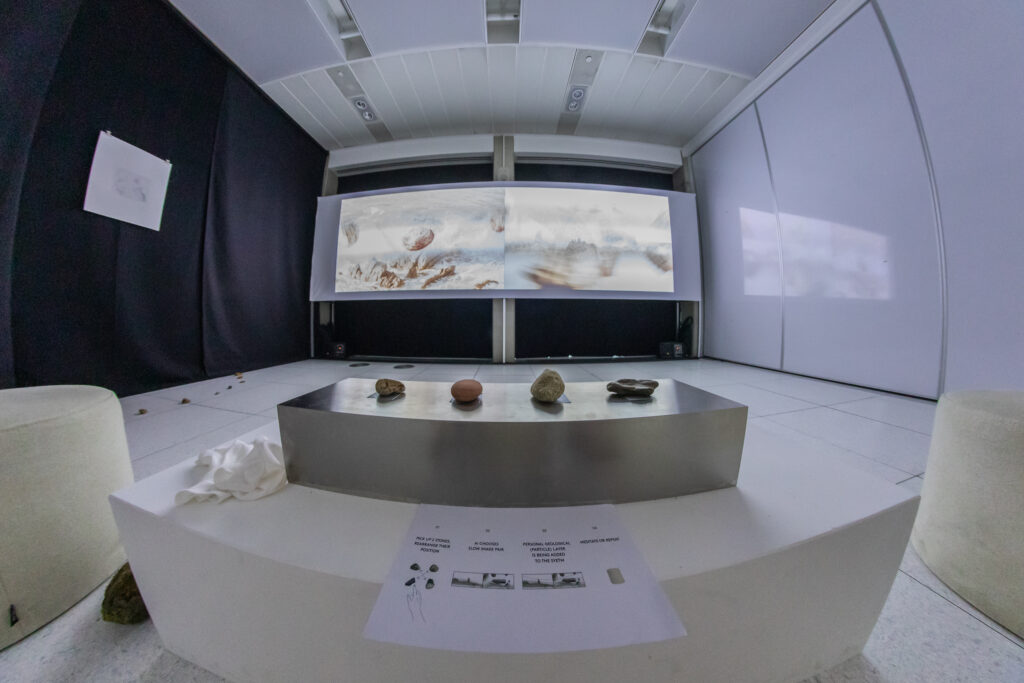
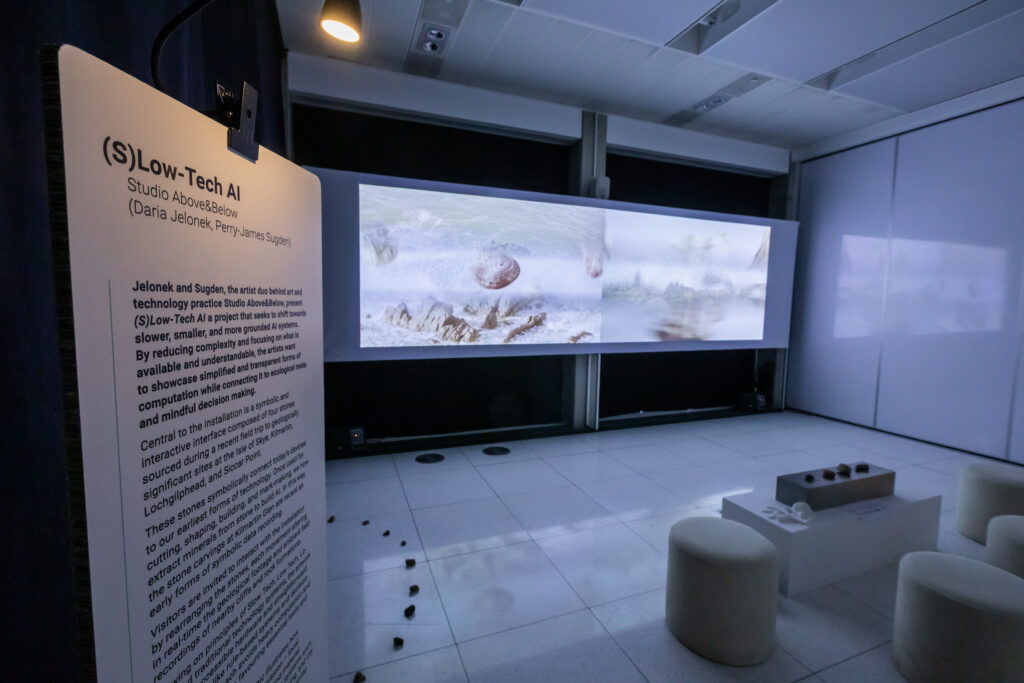
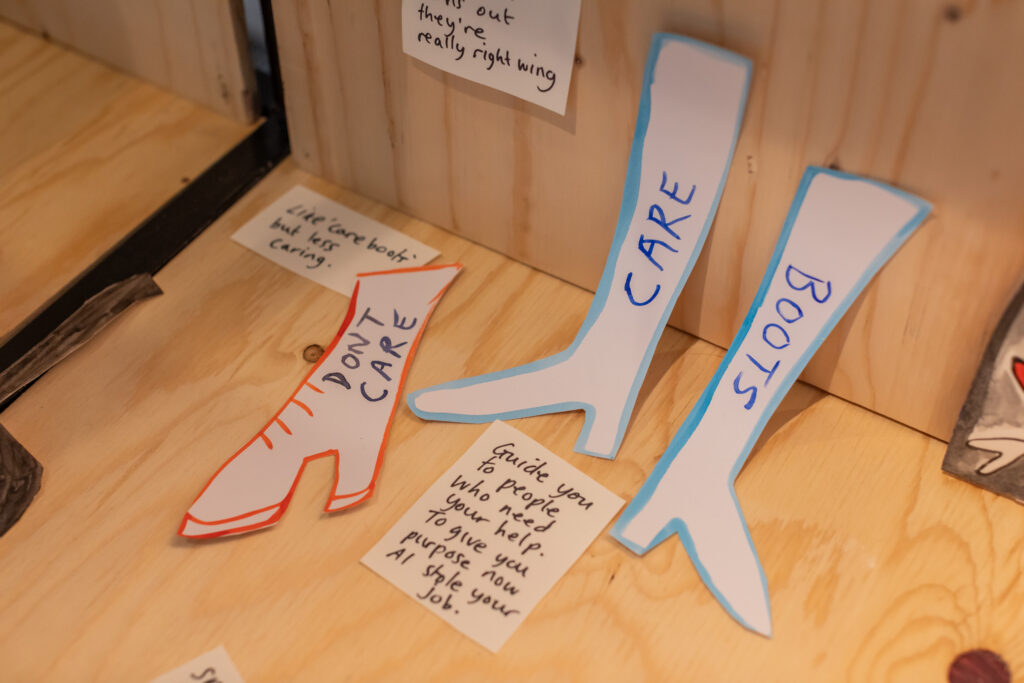
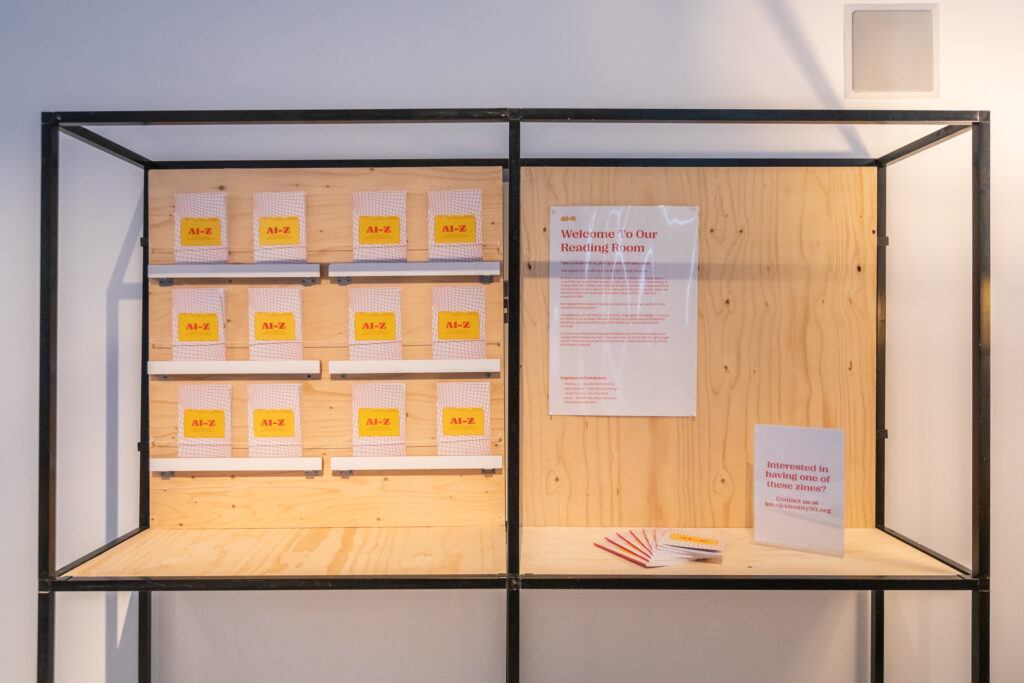
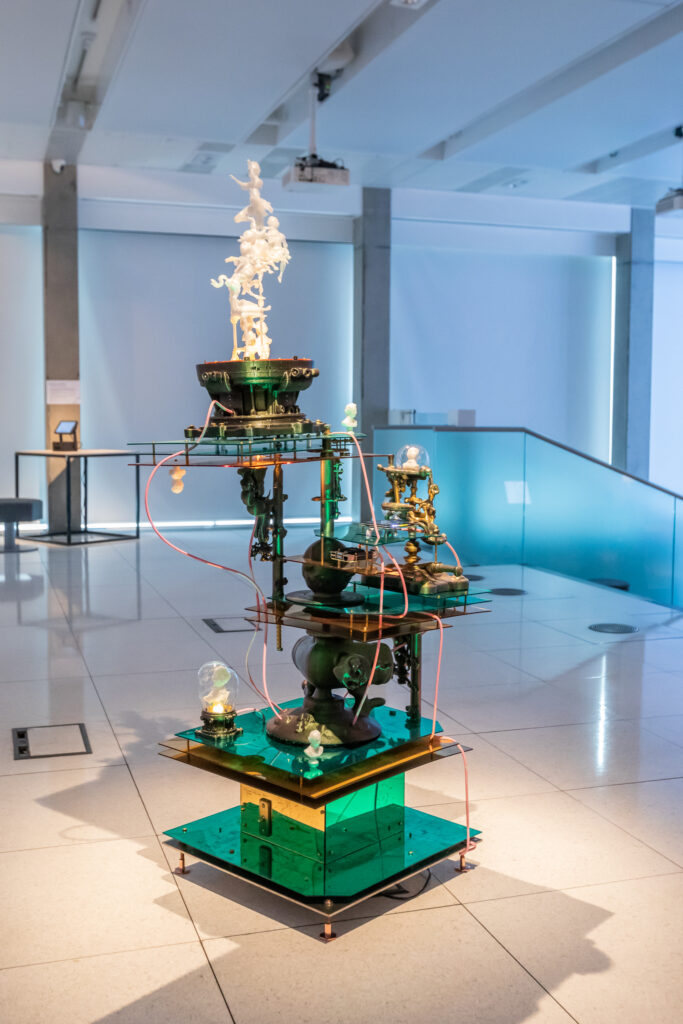
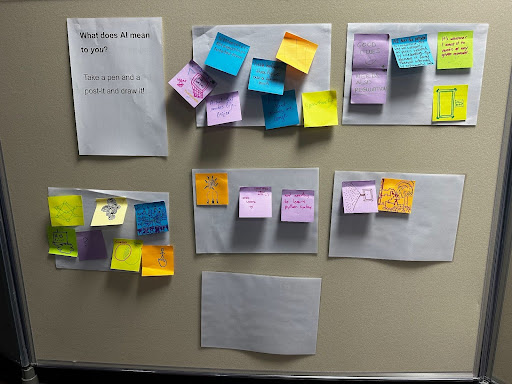
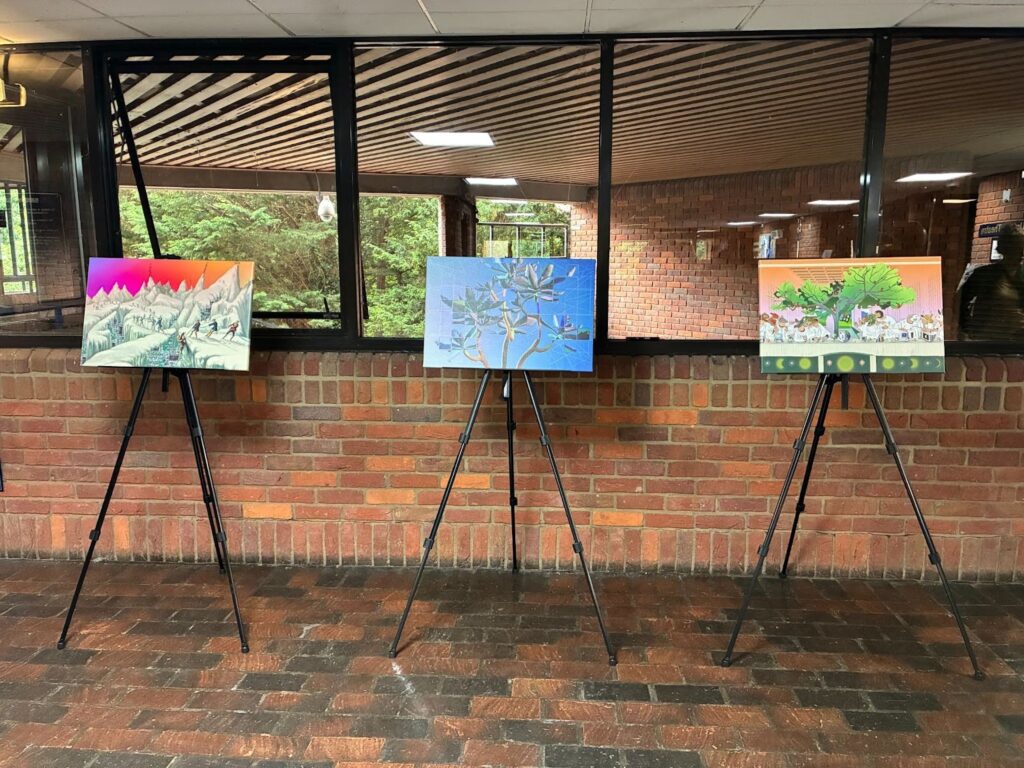
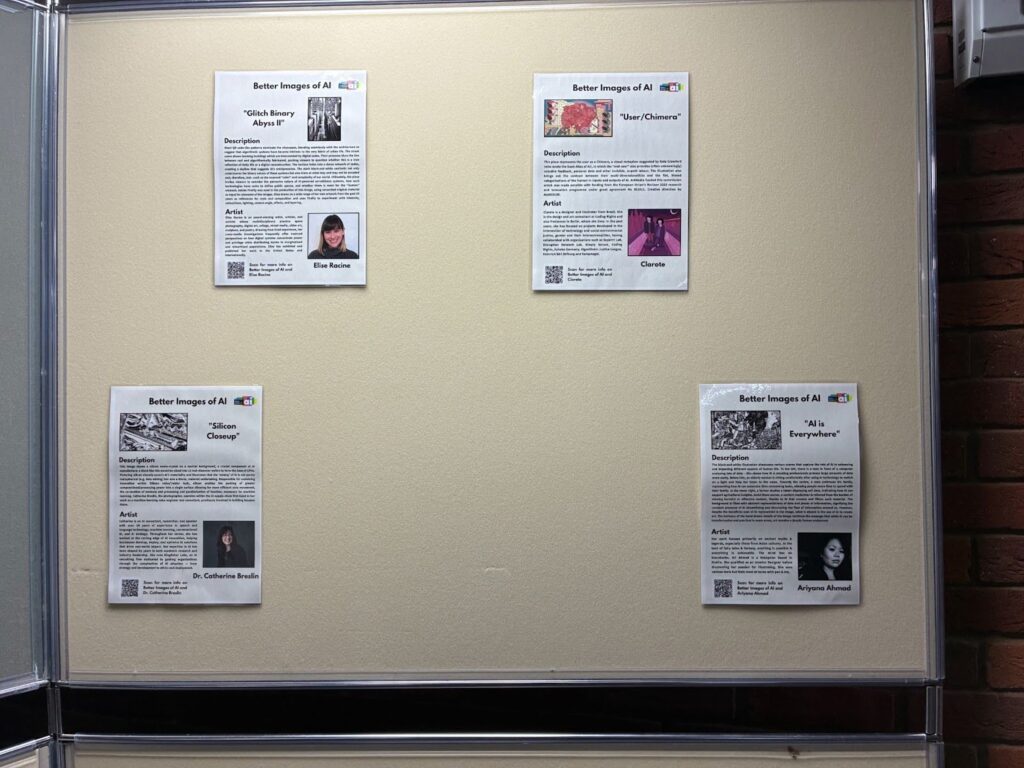
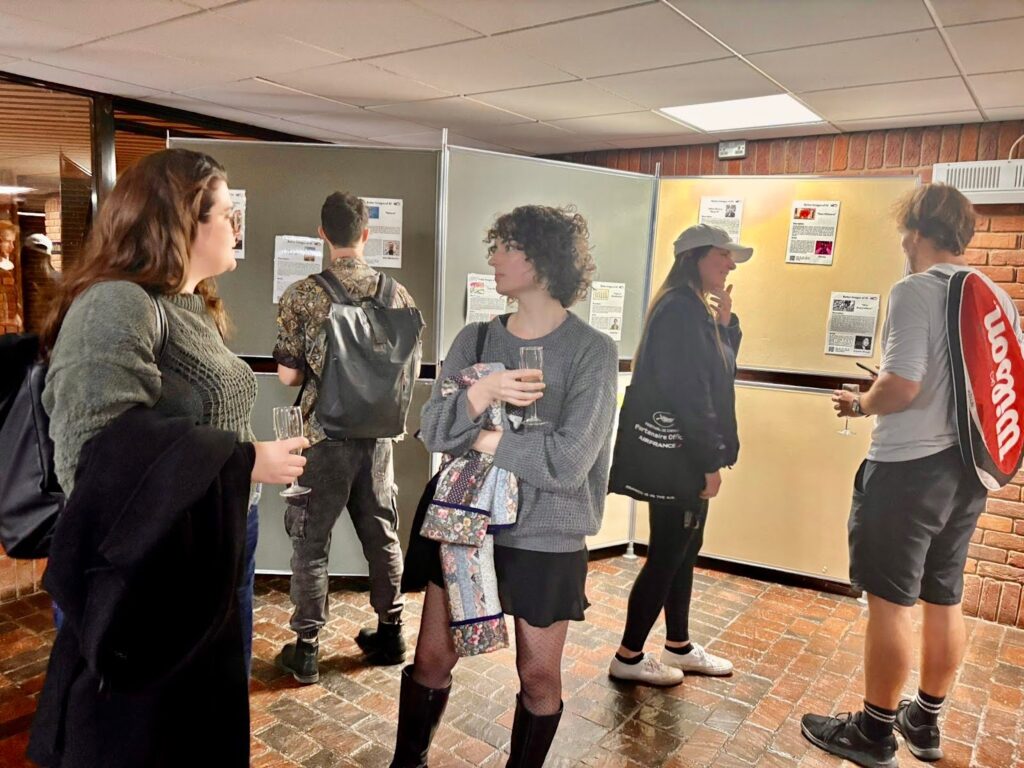
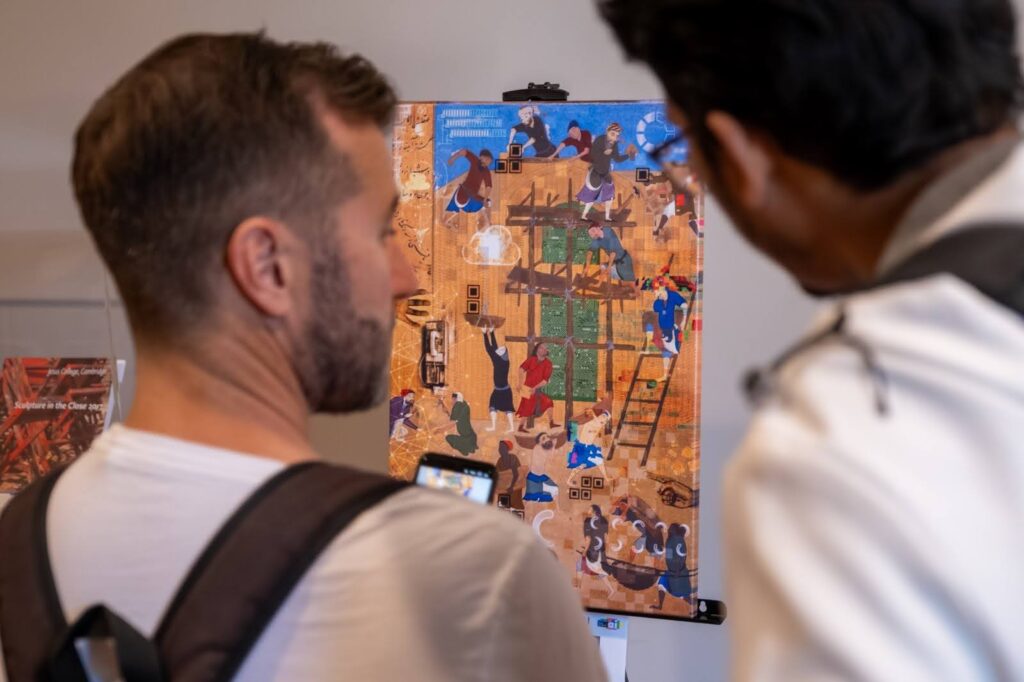
At the UK launch event of the AI Resist List, an exhibition of images from the library was also featured before the speaker presentations. The display of some of the images from our library at the beginning of the event set the tone for the conversations and discussions that followed: environmental extraction, power and monopolies, and human rights. The exhibition was curated by CHIA who we are grateful to for producing the exhibition materials and supporting our library.
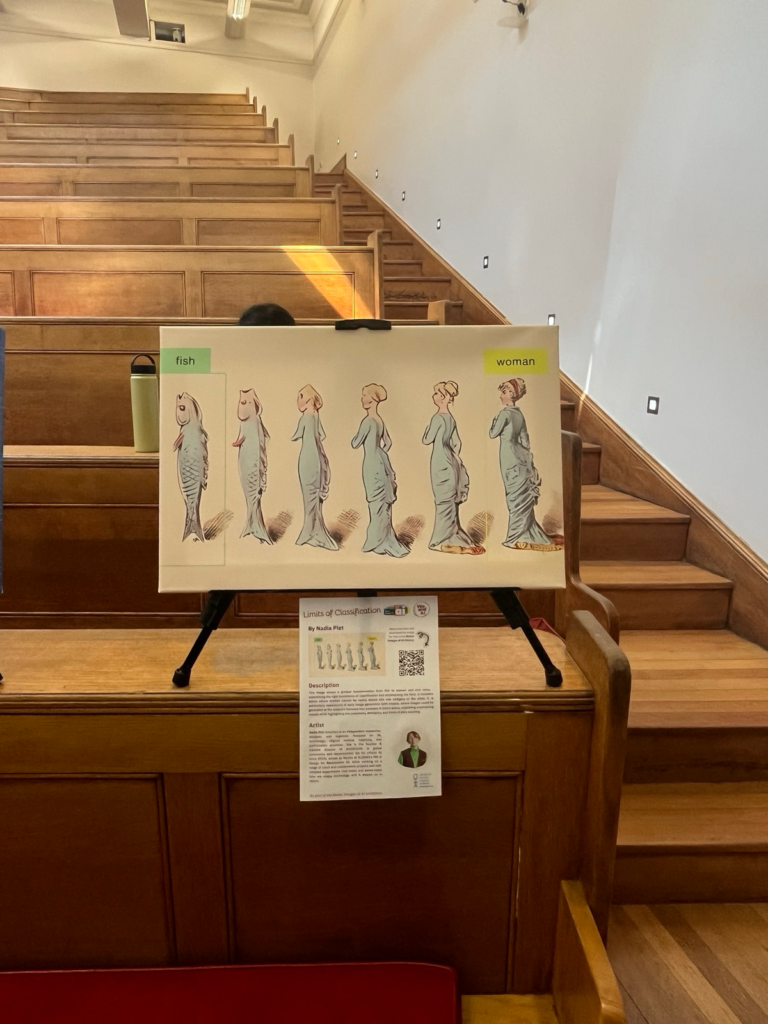
Photograph credit: Lovansh Katiyar. Image: Nadia Piet & Archival Images of AI + AIxDESIGN / Better Images of AI / CC BY 4.0
We’re very grateful to everyone involved in the creation of the AI Resist List and all who are working to fight back against the empires of AI.
Better Images of AI and the other AI resistance pillars
While Better Images of AI is featured as a project under the ‘narrative’ pillar, our image library and blog contribute to many of the pillars by visualising data, land, energy, labor, water, ideologies and companies that are necessary to build and sustain AI. Below, we explore how materials from the Better Images of AI community visualise and represent the issues related to the other pillars on the AI resist list.
Data
“Large-scale AI models require large-scale data sets to train on. Without such vast quantities of data, these systems would not be able to exist in their current form.” – AI Resist List

‘AI-Deal’ by Daniela Zampieri points to how corporations acquire data produced by individuals through narratives of innovation, productivity, and efficiency — hiding the real costs of the deal. Data extraction comes at the cost of constant data capture, surveillance, and environmental damage. The ‘AI-Deal’ enables these corporations to accumulate mass datasets, instead of pursuing fairer and more equitable paths to using training AI models (see Fairly Trained for one example of an organisation advocating for a consensual approach to AI image generation).
Data centres
“[T]he empires seek to secure an unparalleled amount of computing power in the form of data centers and supercomputers to train and deploy their systems.” – The AI Resist List
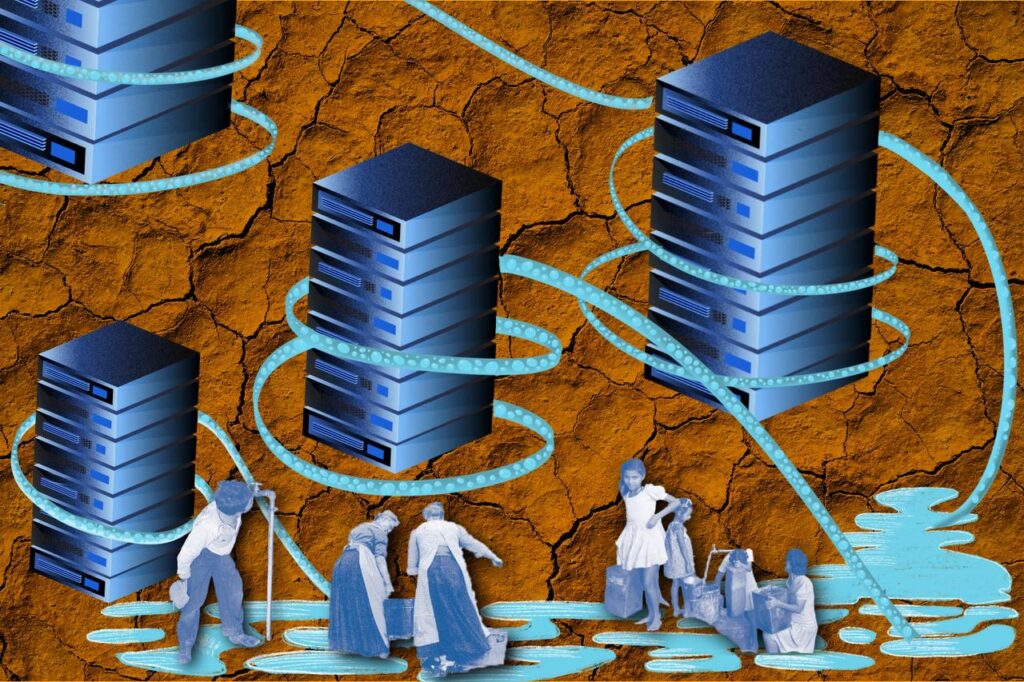
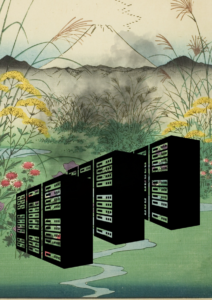
Deborah Lupton / Better Images of AI / CC BY 4.0 (right) & Gloria Mendoza / Better Images of AI / CC BY 4.0 (left)
Deborah Lupton’s image, ‘Severs in a Landscape’ demonstrates the impacts of data centres on the natural world through pollution emitted from the operation of the centres. It was inspired by Deborah’s own research on the environmental impacts of data centres built around the world to service the expansion of GenAI. Gloria Mendoza’s contributions to the image library have all been rooted in a need to better communicate the environmental implications of AI (read more on our blog here). Her image, ‘Data Centres in Vulnerable Ecosystems’, depicts servers extracting water from a local community, symbolizing how data center operations contribute to erosion, water scarcity, and drought.
Resource extraction
“Data centers are made from rare earth minerals and other resources. Evidence shows that bottlenecks in these resources have already forced the AI industry to slow its pace.” – The AI Resist List
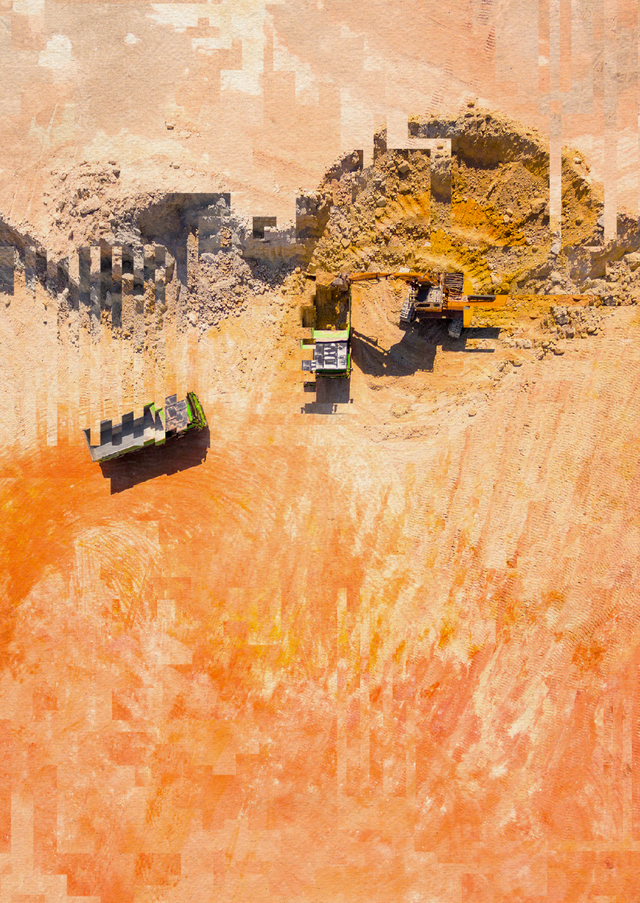
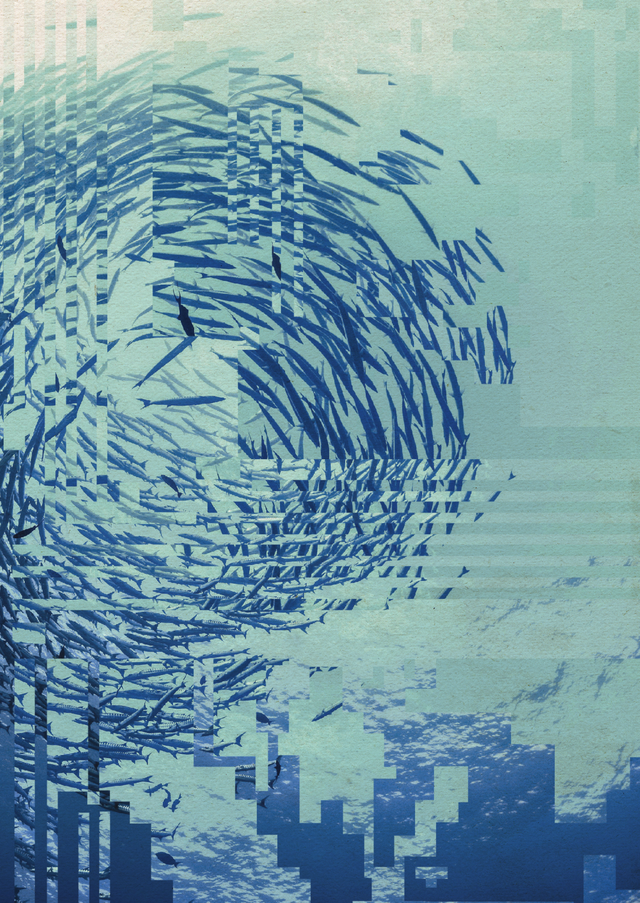
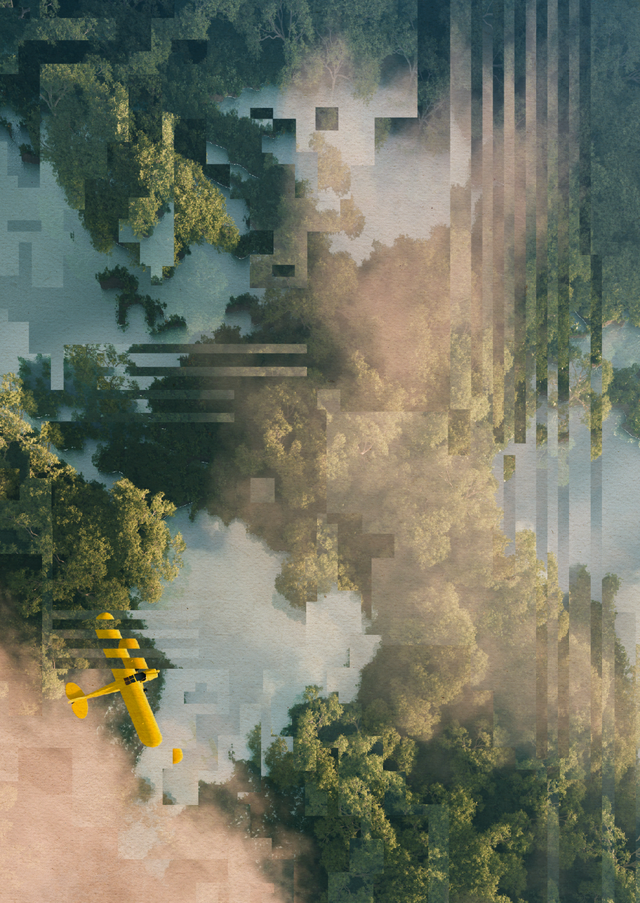
Lone Thomasky & Bits&Bäume / Better Images of AI / CC BY 4.0
Lone Thomasky and Bits&Baume’s (growing) collection of images expose the realities behind the often perceived “clean”, “slick”, and “efficient” AI supply chains. Their collection shows the breakdown of environments and depletion of natural resources caused by the rapid expansion of data centres and mining of critical resources (like lithium, cobalt, and rare earth elements) which underpin (generative) AI. You can read more about Bits&Bäume’s work and their image collection on our blog here. Another one of our blog posts also explains some of the other contributions in our library that picture the physicality of AI.
Labour
“The empires require the labor of workers across their supply chain, whether to mine minerals, construct data centers, annotate data, train models, or adopt their products in other industries.” – The AI Resist List
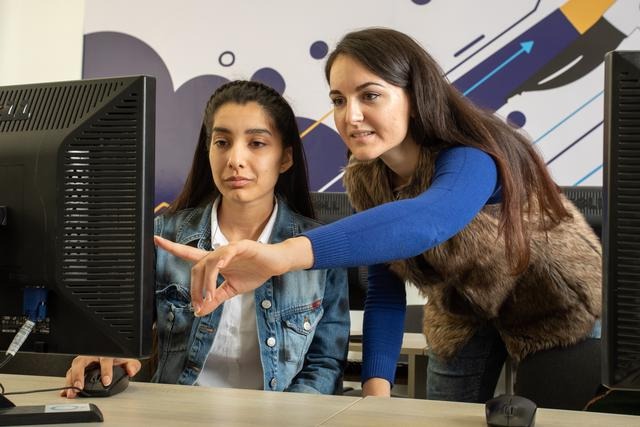

Nacho Kamenov & Humans in the Loop / Better Images of AI / CC BY 4.0 (left) & Gloria Mendoza / Better Images of AI / CC BY 4.0 (right)
Images from Nacho Kamenov & Humans in the Loop visualise hidden data annotators who prepare training datasets for AI companies. Data annotation work is being performed by hundreds of workers around the world who use the job as a means of livelihoods. You can read more about data workers and the need to insert humans back in the loop in AI visuals on our blog here. One of Gloria Mendoza’s other images focuses on the overwhelming emotional toll that data annotation work can take on individuals. The collage aims to convey the isolation, distress, and psychological fatigue that many data workers endure.
Adoption
“The AI industry needs a broad user base to develop a viable business model and public legitimacy. Weak or declining user numbers would force companies to change tack.” – The AI Resist List
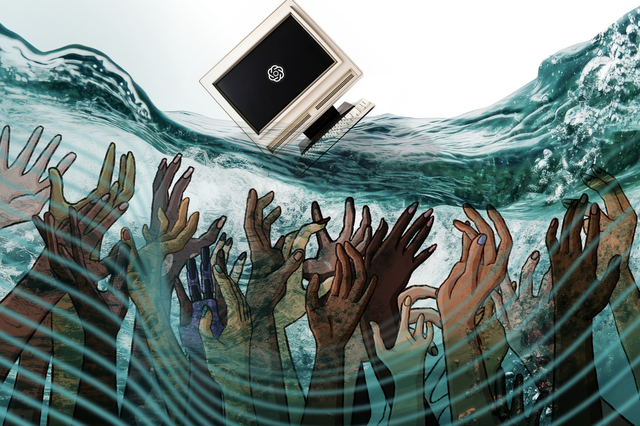
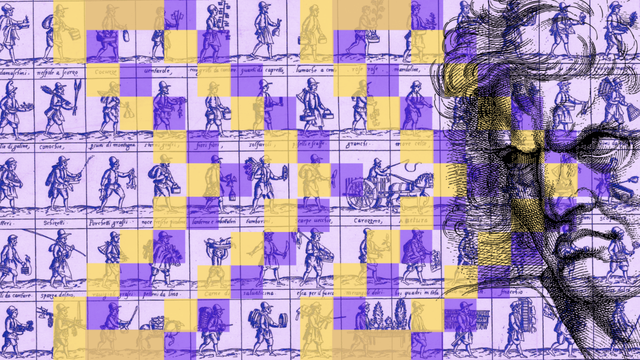
Rose Willis & Kathryn Conrad / Better Images of AI / CC BY 4.0 (left) & Marcin Wilkowski / Better Images of AI / CC BY 4.0 (right)
Community Activism by Marcin Wilkowski explores how community activism is challenging “Silicon Valley narrative cocktails” about AI. Rose Willis & Kathryn Conrad’s image, ‘A Rising Tide Lifts All Bots’ is also suggestive of the idea that the success of AI companies relies on our acceptance and use of the technologies. The Better Images of AI Generative AI Policy is also an example of an outright objection to the use of AI based on its current trajectory.
Policy
“Governments around the world strengthen the empires with hugely permissive, and often enabling, legal and regulatory environments.” – The AI Resist List
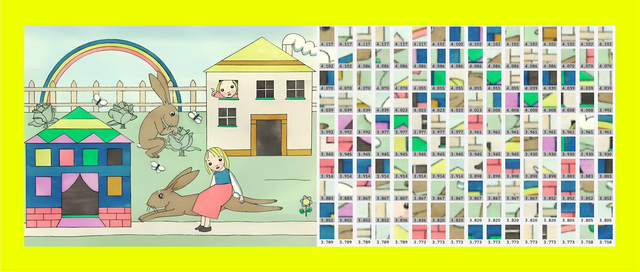
Nadia Piet & Archival Images of AI + AIxDESIGN / Better Images of AI / CC BY 4.0
In this blog post, Lucia Sommerer explores how the language and visualisation of ‘the AI black box’ conceals opportunities for law and regulations to control the human decisions behind an algorithmic system and falsely suggests that algorithms are independent of human prejudices. In another post on our blog, Zoya Yasmine also comments on how Nadia Piet’s image, ‘Ways of Seeing’ relates to copyright law, which — due to the language and visuals used to depict how AI image generators work — are interpreted in ways that favour AI companies.
Surveillance
“The empires use various forms of surveillance to control workers, undermine collective action, and suppress dissent.” – The AI Resist List
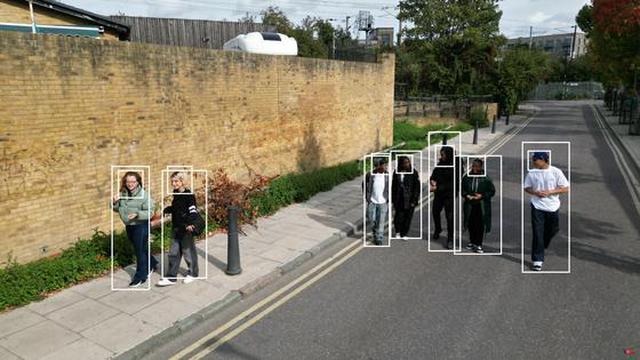
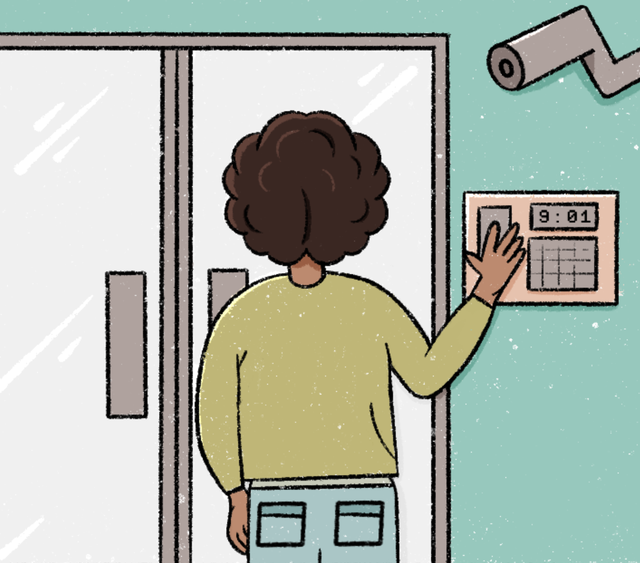
Comuzi / Better Images of AI / CC BY 4.0 (left) & Reihaneh Golpayegani & Digit / Better Images of AI / CC BY 4.0 (right)
‘Surveillance View A’ by Comuzi shows how information can be found about people using biometrics based on computer vision technology, and how unaware they might be. Reihaneh Golpayegai & Digit’s image ‘Surveillance’ presents the increasing use of biometric and security surveillance such as facial recognition and fingerprint scanning to track individuals in the workplace. This blog post by Berk Alkoc also comments on how Emily Rand and LOTI’s image, AI City, visualises how extractive data harvesting facilitates tech companies to exclude, surveil, and target individuals.
Better Images of AI and Possible Futures
The AI Resist List is not only focused on AI resistance, but also collates projects which are collectively imagining better tech futures, ‘rooted in justice and regeneration for people and the planet’. We hope that our image library prompts people to better think about the alternative futures and trajectories of AI that could exist. While our image library is focused on visualising AI here and now, not in the future, some of our blog posts (see here and here) feature more speculative visions for a more equitable future—with or without AI.
What’s next? Better Postcards of AI?
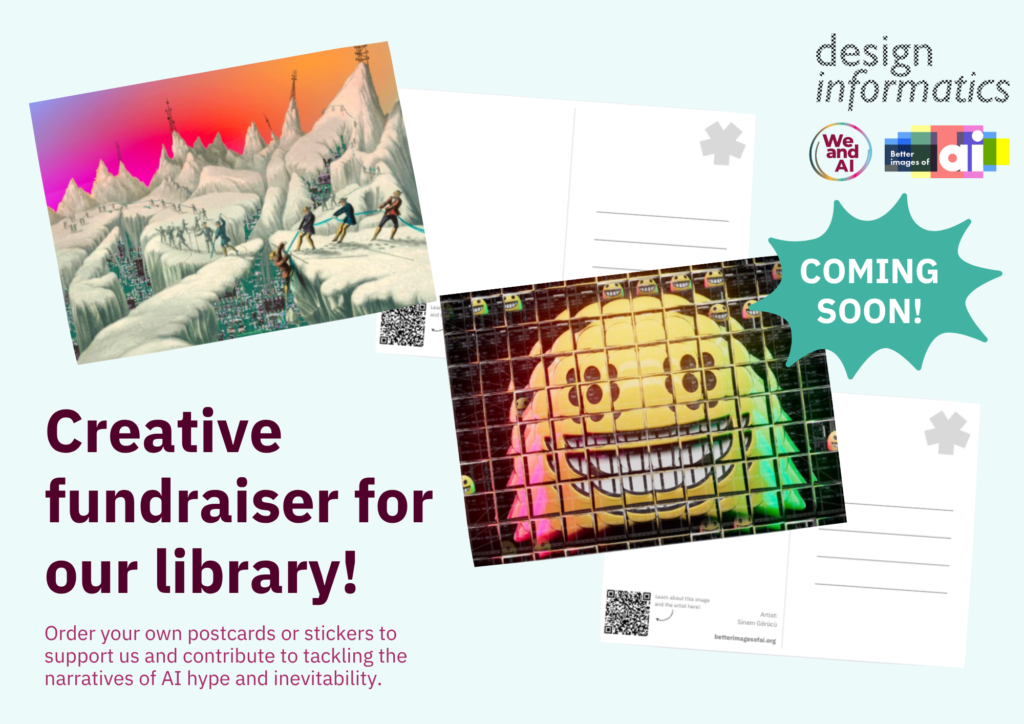
Following the UK AI Resist List launch, with the support from Design Informatics and We and AI, we will soon be launching a creative fundraiser to help support the running of the Better Images of AI library. We’ll be raising money by selling postcards of the various images in our library in packs centred around themes like power, rainbows, and sustainability. There will also be stickers sold in packs by We and AI & friends. We hope to be launching the fundraiser in September, we’ll announce it in our newsletter, blog, and LinkedIn so be sure to keep an eye out.